Unleash Potential: The Power of Perfect Tackle Box Essentials


When it comes to tackle box essentials, every seasoned angler knows the importance of having a well-stocked and organized collection. In this blog post, we will take a look at the various components that help make up an ideal fishing tackle box for both beginners and experienced anglers alike.
To ensure you have the right line for your next fishing trip, we’ll look into different types of fishing line and provide tips on storing and maintaining them. We’ll explore various lures and baits used in fishing along with guidance on selecting the perfect ones according to your target species.
Moving forward, you’ll learn about hooks, weights, and swivels – their types as well as choosing factors – ensuring you have a versatile range of these essential items within your tackle box.
Lastly, we will cover some miscellaneous yet indispensable tools for maintaining your gear along side other necessary items that often get overlooked.
By understanding these key aspects of what you need in your tackle box, you can enhance your overall fishing experience while increasing your chances of landing that prized catch.
Table of Contents
Hook Assortment
Having an array of hooks, from circle to bait and treble types, is a must-have in any tackle box for the best chances of success. Hooks are as crucial as lures when it comes to catching fish; therefore, having a variety ensures you’re ready for any type of fish or fishing condition. In this section, we will discuss the different types of hooks that should be part of your fishing tackle essentials.
Circle Hooks
Circle hooks have become increasingly popular among anglers due to their unique design that reduces gut hooking and improves catch-and-release success rates. These hooks feature a curved shape with the point facing back towards the shank instead of outward like traditional J-hooks. When a fish bites down on the baited hook, it slides out from its mouth until reaching its lip where it catches securely without causing significant damage.
Bait Hooks
Bait hooks come in various shapes and sizes designed specifically for holding live or artificial baits such as worms or minnows effectively while presenting them naturally to attract predatory fish species.
Some common styles include worm hooks which are perfect for rigging soft plastic worms weedless-style (to avoid snagging), octopus-style bait holders featuring multiple barbs along their shanks (for securing cut baits), and Aberdeen-style long-shanked light wire designs ideal for panfish applications.
Worm Hooks
- Ideal for rigging soft plastic worms
- Weedless design to avoid snagging
Octopus-Style Bait Holders
- Multiple barbs for securing cut baits
- Suitable for various bait types and fishing conditions
Aberdeen Style Hooks
- Long-shanked light wire designs are perfect for panfish applications.
Treble Hooks
Treble hooks consist of three individual hooks joined together at their shanks, forming a single unit that provides multiple points of contact with the fish’s mouth. They are commonly used on hard-bodied lures like crankbaits or topwater plugs where they increase hook-up ratios by offering more chances to secure a solid connection when fish strike aggressively.
However, treble hooks can cause more damage to the fish than single-hook options; hence it is essential to use them responsibly and consider switching them out with single hooks if practicing catch-and-release fishing.
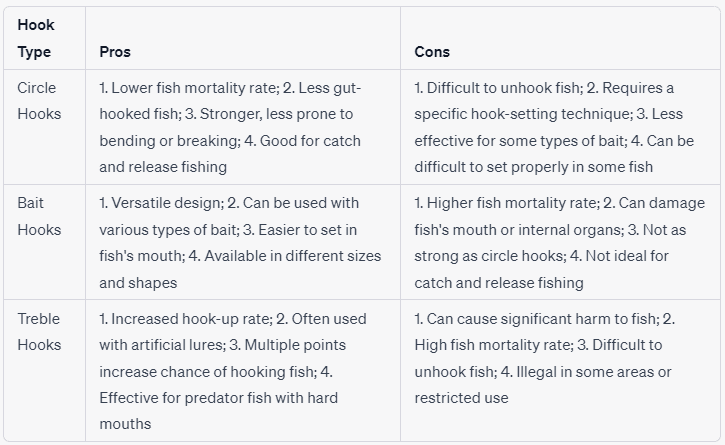
Key Takeaway: To have a successful fishing adventure, an assortment of hooks in various sizes and types is crucial. Circle hooks are becoming more popular due to their unique design that reduces gut hooking, while bait hooks come in different shapes and sizes for holding live or artificial baits effectively. Treble hooks provide multiple points of contact with the fish’s mouth but can cause more damage than single-hook options; hence it is essential to use them responsibly.
Bobbers and Sinkers
Stock your tackle box with different kinds of bobbers such as slip bobbers, which allow you to adjust the depth at which your bait sits in the water column. Sinkers also play an essential role in getting your bait into the strike zone by adding weight to your fishing rig so it can sink deeper into the water. In this section, we will discuss two crucial components of a well-stocked tackle box: slip bobbers and lead sinkers.
Slip Bobbers
Slip bobbers are versatile tools that enable anglers to present their baits at various depths effectively. Unlike traditional fixed float rigs, these adjustable floats slide up and down on the line, allowing for precise control over how deep or shallow you want your bait suspended proximate to underwater structures where fish might be hiding. To use a slip bobber effectively:
- Tie a stop knot onto your mainline using a piece of string or rubber band.
- Add a small bead below the stop knot (this prevents it from sliding through the hole in the center of the float).
- Thread on one end of your line through both ends (top & bottom) holes found within most slip floats before attaching any weights/hooks needed beneath them – typically swivels work best here since they prevent tangles while casting out.
- The last step involves adjusting what its length should be relative to the desired depth; once set correctly simply cast away and let the fish start biting.
Lead Sinkers
Lead sinkers are essential tackle box items that help you get your bait down to the desired depth quickly. Different sizes and shapes of lead sinkers are available, each crafted for particular angling scenarios. Some popular types of lead sinkers include split shot, egg, and bullet weights.
Split Shot Sinkers
Split shot sinkers are small round or oval-shaped weights that can be easily pinched onto your line without damaging it. These versatile sinkers work well when you need just a little extra weight to get your bait down or want to make subtle adjustments while fishing.
Egg Sinkers
Egg sinkers have an elongated shape with a hole through the center, allowing them to slide freely on the line. This design makes them ideal for bottom fishing techniques like Carolina rigs where stealth is key – fish won’t feel resistance from weight as they pick up baits.
Bullet Weights
Bullet weights feature tapered ends which reduce snags underwater; their streamlined profile also helps improve casting distance & accuracy when using soft plastic worms/lizards rigged Texas-style (weedless).
Key Takeaway: To have a well-stocked tackle box for fishing, it is essential to include slip bobbers and lead sinkers. Slip bobbers allow anglers to adjust the depth of their bait effectively, while lead sinkers help get the bait down quickly. Incorporating both ensures adaptability in any situation out on the water.
Monofilament Line
Monofilament line is a very popular choice among anglers due to its versatility and lower price point. It has good knot strength, stretchiness, and abrasion resistance. Monofilament comes in various colors and pound-test ratings (the breaking strength), so make sure you have a range that suits your needs.
Braided Line
Braided fishing lines are made from multiple strands woven together into a single cord, resulting in an incredibly strong yet thin-diameter line. This type of fishing tackle box essential item is ideal for heavy cover situations where durability is critical or when targeting larger fish species like bass or pike. Braided lines also provide excellent sensitivity since they have minimal stretch compared to monofilaments.
- Tip: Consider adding a 12-15 lb test fluorocarbon or monofilament leader to your braided line setup. This will help reduce visibility and provide extra abrasion resistance when fishing around structures.
By ensuring you have a variety of extra fishing line with you, you’ll be better prepared for any situation that arises while out on the water. Whether it’s dealing with snags, changing conditions, or targeting different species, having multiple options at hand can make all the difference between a successful day of angling and going home empty-handed.
Lure Selection
It’s essential to research specific target species before purchasing any lures. Each species has a preferred lure that it is more likely to engage with. Experimenting with light and dark variations until finding the right lure is crucial for a successful day of fishing.
Some popular lure types include spinners and spoons (for attracting predatory fish), minnow imitations (to mimic small prey), and a topwater lure (which creates surface disturbances). Let’s take a closer look at these different types of lures:
Spinners and Spoons
Spinners and spoons are versatile, metallic fishing lures that reflect light underwater, making them highly visible to predators like bass or pike. Spinners have one or more blades that rotate around the body of the lure when retrieved through the water, creating vibrations that attract fish. On the other hand, spoons are curved pieces of metal designed to wobble erratically as they move through the water column, mimicking injured baitfish.
Minnow Imitations
Minnow imitations, such as soft plastic swimbaits or hard-bodied jerkbaits, resemble small baitfish in both appearance and movement patterns. These types of lures can be incredibly effective when targeting game fish like walleye or trout since many predator species primarily feed on smaller prey items.
Top Surface Lures
Topwater lures are designed to create surface disturbances that mimic the activity of injured or struggling prey. At dawn or dusk, when the fish are more apt to be near the top of the water, these lures can be especially effective. Examples of topwater lures include poppers, buzz baits, and walking baits.
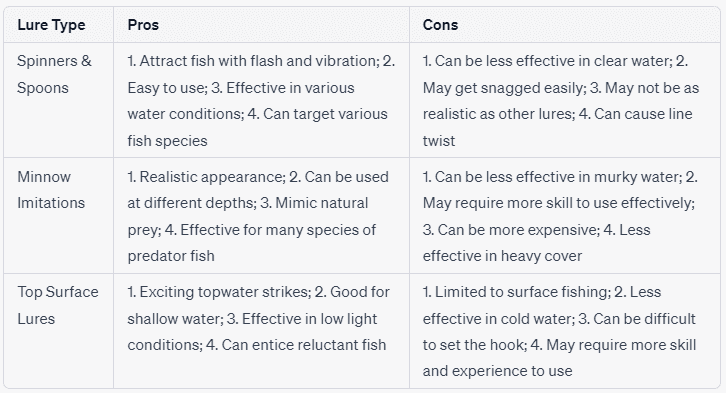
Key Takeaway: To have a successful day on the water, it’s important to research the target species and purchase appropriate lures. Spinners and spoons are versatile metallic lures that reflect light underwater, while minnow imitations resemble small baitfish in both appearance and movement patterns. A Topwater lure creates surface disturbances that mimic struggling prey and can be effective during low-light conditions.
Tools & Accessories
A set of needle-nose pliers should be at the top of your list, used primarily for removing hooks from a caught fish’s mouth but also helpful during snags where lines need cutting. Additionally, consider investing in a reliable line cutter or nail clippers for those instances when you need to trim your line quickly and efficiently.
Needle-nose Pliers
- Ideal for removing hooks from fish mouths
- Helpful in untangling snags and cutting lines
- Durable construction ensures long-lasting use on countless fishing trips
Line Cutter
- Necessary tool for trimming excess fishing line or leader material with precision
- Easily cuts through monofilament, fluorocarbon, and braided lines
- Avoids damage to essential tackle items like rods and reels caused by improper cutting techniques
Fishing Net
- A quality net will help you safely land fish without causing unnecessary harm or stress.
- Look for nets with rubberized mesh that prevent hook tangles while protecting the fish’s slime coat – an essential part of their immune system.
- Ensure that your net has a long enough handle to reach fish at various distances from your boat or shoreline.
Regulation Ruler
- This essential tool allows you to measure the length of your catch accurately and ensure that it meets any size requirements set by local fishing regulations.
- Keeping track of these measurements will help you avoid fines and penalties while promoting sustainable fishing practices.
Before leaving the dock, make sure you have the necessary tools and accessories to ensure a successful day on the water. When looking at personal protective gear and equipment, certain items should always be present with your tackle box to keep you safe while on the water.
Personal Protective Gear & Equipment
When spending long hours outdoors fishing, it’s important to remember to protect yourself from the elements and be prepared for any situation. Gloves and a good pair of polarized sunglasses are necessary for safeguarding the skin from the sun’s rays during extended periods spent outdoors.
Moreover, carrying a fillet knife helps in cleaning the caught fish while out on the water. A small bait knife is indispensable for cutting up baitfish or other types of natural baits like worms or insects.
Gloves and Sunglasses
Fishing gloves not only protect against cuts and scrapes but also offer improved grip when handling wet equipment or slippery fish. They are especially useful when dealing with sharp hooks, teeth, fins, or scales that can cause injury if handled improperly.
Sunglasses serve multiple purposes: they shield your eyes from harmful UV rays, reduce glare off the water surface which improves visibility beneath it (helping you spot fish), and prevent debris like flying insects from getting into your eyes while casting lines. Choose polarized sunglasses specifically designed for anglers to enhance visual clarity even further.
Fillet Knife
A high-quality fillet knife is an invaluable tool for every angler who plans on keeping their catch to eat later on; this versatile instrument allows you to clean fish efficiently by removing bones without wasting meat in the process. Ensure that your fillet knife is sharp, easy to handle, and made from corrosion-resistant materials like stainless steel.
Bait Knife
A bait knife is a smaller, more compact tool that comes in handy when preparing live or dead bait for your fishing adventures. It’s perfect for cutting up baitfish into smaller pieces or slicing through the tough exoskeletons of insects and crustaceans. Look for a bait knife with a sturdy grip and durable blade material to withstand frequent use in wet conditions.
Key Takeaway: Essentials for angling include equipping oneself with safety items such as goggles or sunglasses which can shield your eyes from the glaring sun and gloves to protect yourself from any pointed objects or sharp objects. A fillet knife is essential for cleaning your catch, while a bait knife comes in handy when preparing live or dead bait. Ensure that you obtain robust tools, able to tolerate regular usage in moist surroundings.
Additional Essentials
Aside from the essentials mentioned above, some additional items can make your fishing experience more enjoyable and efficient. These include a fish stringer, packaged food, bug spray, a small first aid kit, and water.
Fish Stringer
A fish stringer is an essential item for any angler who plans to keep their catch. It allows you to securely hold several caught fish through their gills until you’re ready to pack up and head home. This simple tool helps ensure that your hard-earned catches don’t accidentally slip back into the water or get lost while transporting them.
Packaged Food
- Energy bars: Energy bars are a convenient source of nutrition during long hours spent on the water. They provide quick energy boosts without taking up much space in your tackle box.
- Jerkies: Jerkies made from beef, turkey, or other meats offer a high-protein snack option that’s easy to carry along with you while fishing.
- Nuts and trail mix: Nuts like almonds or walnuts are nutrient-dense snacks packed with healthy fats and proteins. Trail mixes often contain nuts as well as dried fruits which provide additional vitamins and minerals needed for sustained energy levels throughout the day.
In addition to these options, consider packing sandwiches or wraps if you plan on spending an entire day out on the water. Remember always to bring enough food supplies so that hunger doesn’t hinder your focus while trying to reel in those big catches.
Water & Hydration Supplies
Staying hydrated is crucial for maintaining energy levels and overall health during long fishing sessions. Make sure to bring enough water with you, whether in a reusable bottle or by packing multiple bottles of water.
Additionally, consider bringing along electrolyte replacement drinks like sports beverages or coconut water to help replenish lost minerals due to sweating.
Staying hydrated is key for keeping your energy up and preventing heat-associated ailments, like heat exhaustion or stroke. Always monitor your fluid intake while out on the water and take breaks in shaded areas when needed.
Bug Spray & First Aid Kit
Bug spray and other insect repellents can help keep annoying bugs away from you while out on the water. A first aid kit should be included with your fishing gear to treat any minor injuries or cuts that may occur during your trip.
Key Takeaway: To have a successful fishing trip, it’s important to pack the right tackle box essentials such as hooks, lures, and pliers. Other miscellaneous items like a fish stringer, packaged food (such as energy bars or jerky), and water are also crucial for an enjoyable experience on the water. Remember to stay hydrated with electrolyte replacement drinks and take breaks in shaded areas when needed to prevent heat-related illnesses.
Typing It Up
As an avid fisherman, having the right tackle essentials and fishing equipment are essential to success on the water. Make sure your tackle box is stocked with the essentials – fishing line, lures, baits, hooks, weights, and swivels – for ensuring a successful day on the water.
Don’t forget about those miscellaneous items that can come in handy too – pliers for removing hooks from fish mouths; extra leader material; scissors for cutting monofilament lines etc. Having these tools ready will help you be prepared for anything when it comes time to hit the water with your rod and reel.
FAQs
What is needed in a tackle box for a successful fishing trip?
A good tackle box should include an assortment of hooks, bobbers and sinkers, extra fishing line, various lures, essential tools like needle-nose pliers and line cutters, personal protective gear such as gloves and sunglasses, and miscellaneous items like a fillet knife or packaged food.
What do I need in my first fishing tackle box?
In your first tackle box, you’ll need essentials such as different types of hooks (circle hooks, bait hooks), slip bobbers, lead sinkers, monofilament fishing line, spinners, or spoons for lure selection. Additionally include necessary tools like needle-nose pliers and line cutters along with personal protective equipment like gloves and sunglasses.
Why do you need a fishing tackle box?
You need a tackle box to store all your essential fishing equipment in one organized place. It helps protect the gear from damage while making it easily accessible during fishing trips. A well-stocked tackle box can enhance your overall angling experience by ensuring that you have everything required at hand when needed.
What is the best way to organize a tackle box?
The best way to organize a tackle box is by categorizing similar items together using compartments or small containers within the main storage area. Place frequently used items on top or closer to the opening for quick access. Label each compartment if possible so that you can easily identify and locate the items you need.
Should I carry my fishing license in a tackle box?
It is a good idea to keep your fishing license in your tackle box along with any other documents required by your state to fish and boat. Make sure that all paperwork is easily accessible so that you can present it quickly when requested by official fisheries personnel. Consider laminating it to help keep it safe from the elements.
