
Bass Fishing Tips for Beginners: Boost Your Success

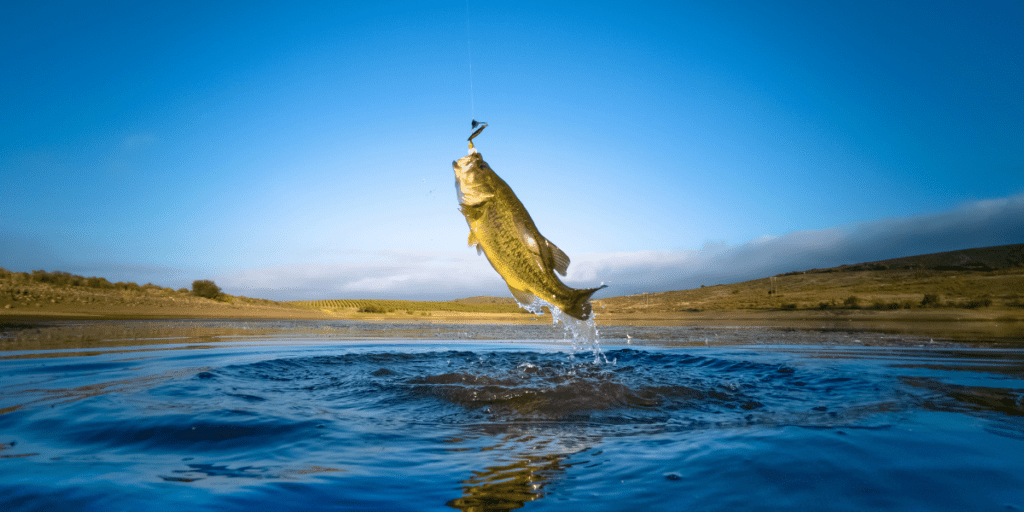
As an experienced angler, I’m excited to share some fundamental bass fishing tips for beginners who are just starting to explore the thrilling world of bass angling. With the proper gear, knowledge of the species, the best times and locations to fish, and a few essential strategies, you’ll be well on your way to enjoying this rewarding pastime.
Table of Contents
Overview of the Most Popular Bass Species
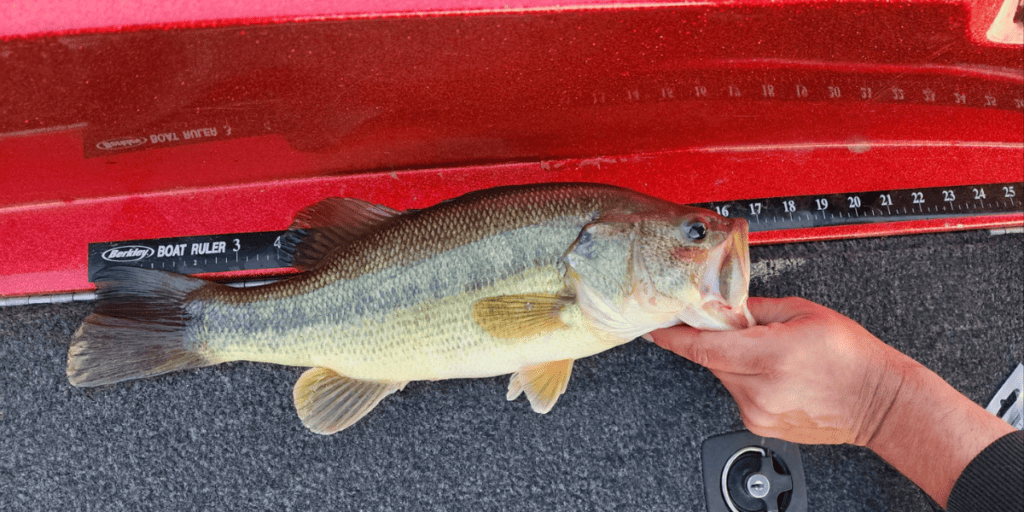
Anglers typically target various types of bass, each with its unique characteristics and habitats. Some of the most popular bass species pursued by fishermen include:
Largemouth Bass
As the most sought-after bass species in North America, largemouth bass is known for their aggressive nature and impressive size. They prefer warmer, shallow waters with an abundant cover like weed beds, submerged structures, and docks.
Smallmouth Bass
Smallmouth Bass are often found in clearer and cooler waters, this species of bass prefer rocky substrates, drop-offs, and underwater structures. They are known for their tenacious fights and acrobatic leaps when hooked.
Spotted Bass (Kentucky Bass)
Spotted bass share similarities with both largemouth and smallmouth bass in appearance and habitat preferences. They can be found in clear to moderately stained water and often inhabit rocky shorelines, points, and submerged cover.
Striped Bass
These migratory, saltwater fish are found along the Atlantic coast and are known for their distinctive dark, horizontal stripes. Striped bass can be caught in both saltwater and freshwater, as they enter rivers to spawn.
White Bass
White bass, also known as sand bass or silver bass, are smaller freshwater fish that prefer large lakes and rivers. They are known for their schooling behavior and can provide fast-paced fishing action when located.
Peacock Bass
Native to South America, peacock bass have been introduced to South Florida and are known for their stunning colors and aggressive predatory behavior. They inhabit warm tropical waters and are usually found in shallow areas with cover.
Each of these bass species offers unique challenges and rewards for anglers. Understanding their specific habitats, behaviors, and preferences will help you be more successful in your bass fishing endeavors.
Choosing the Right Rod and Reel for Bass Fishing

When it comes to bass fishing, choosing the right rod and reel is essential. Realizing the fundamentals of selecting each of these can assist a beginning angler in picking the correct rod and reel for various methods and conditions when fishing for bass.
Different rod materials possess different advantages and disadvantages, ranging from lightweight durability to increased sensitivity and each reel type has its nuances that a beginning angler will have to get used to working with.
Types of Rods (Materials)
As an experienced angler, I understand the importance of choosing the right fishing rod when targeting bass. The perfect rod can make all the difference in your success on the water. We’ll delve into four types of rods used for catching bass – graphite rods, fiberglass rods, bamboo rods, and composite rods – and discuss their unique advantages and drawbacks.
Graphite Rods
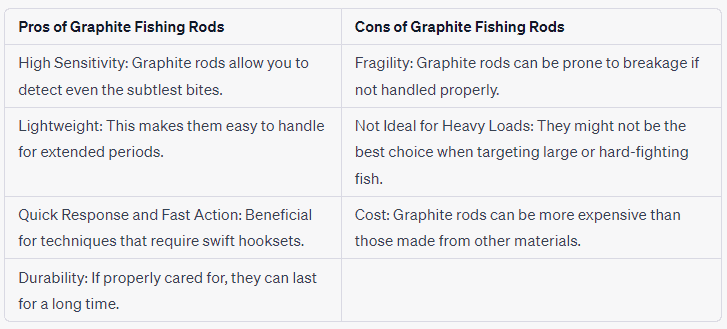
Graphite rods have become increasingly popular among bass fishermen due to their impressive sensitivity and lightweight design. These rods enable anglers to detect even the subtlest bites, providing a critical advantage when targeting finicky bass.
Additionally, graphite rods offer quick response and fast action, which is beneficial when using techniques that require swift hooksets.
The lightweight nature of graphite rods does make them more susceptible to breakage if used incorrectly. It’s essential to exercise caution when using these rods, particularly in situations where large or hard-fighting bass are involved.
Fiberglass Rods
Fiberglass rods offer a different set of advantages compared to graphite rods. Known for their durability and flexibility, these rods are an excellent choice for beginners or those targeting larger, hard-fighting bass.
While fiberglass rods may be less sensitive than their graphite counterparts, they make up for it with their toughness and forgiving nature.
Fiberglass rods typically have a slower action, making them ideal for casting heavy bass lures or using techniques that require a more moderate rod action. These rods are also less prone to breakage, ensuring longevity and reliability on the water.

Bamboo Rods
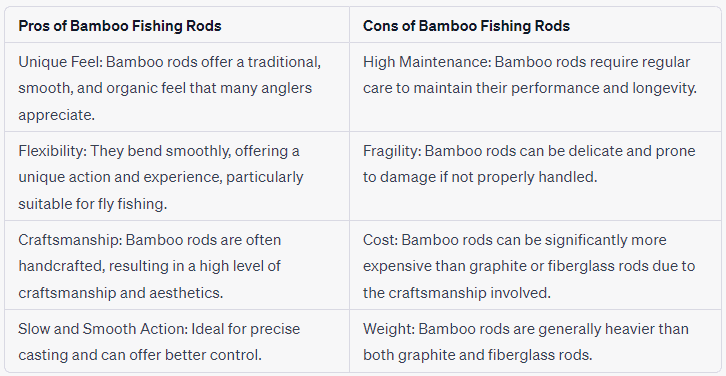
Bamboo rods, a classic option with a rich history, have been used by anglers for centuries. While not as common in modern bass fishing, they provide a unique, traditional feel and a slower action, making them ideal for delicate presentations and finesse techniques.
Bamboo rods are handcrafted, giving them a one-of-a-kind appeal that many anglers appreciate.
However, it’s important to keep in mind that bamboo rods demand more attentive care and maintenance compared to their graphite or fiberglass counterparts. They also tend to be pricier and less adaptable, making them a specialized option for professional anglers.
Composite Rods
For those in search of a versatile and well-balanced rod, composite options are an excellent choice. By skillfully blending the properties of graphite and fiberglass materials, these rods provide a harmonious combination of sensitivity and durability, making them suitable for various bass angling situations and techniques.
As a seasoned angler, I recommend composite rods for those who desire a single, dependable rod capable of handling an extensive range of bass lures and strategies. You’ll enjoy the sensitivity offered by graphite rods while benefiting from the durability and flexibility inherent in fiberglass rods.
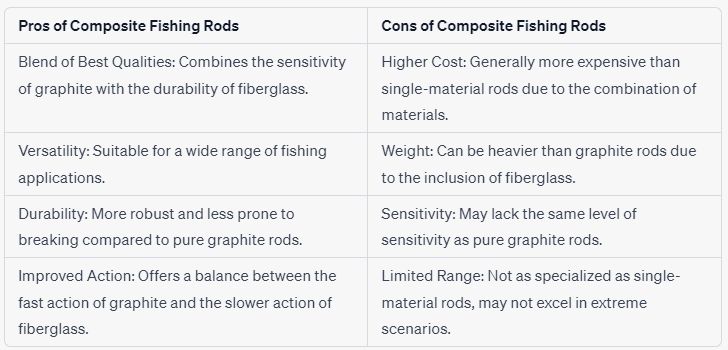
Each type of rod presents unique advantages and limitations. As a dedicated angler, it’s essential to evaluate your specific requirements, preferred style, and target species when selecting the ideal rod. By understanding the nuances of graphite, fiberglass, bamboo, and composite rods, you’ll be better equipped to make a well-informed decision and enhance your overall angling experience.
Types of Reels
As a passionate bass angler, I know that choosing the right reel is just as important as selecting the perfect rod. We’ll explore two popular types of reels used for catching bass – spinning reels and fly fishing reels – and discuss their unique benefits and applications.
Spinning Reel
Spinning reels are an incredibly popular choice among seasoned anglers, thanks to their ease of use and versatility. These reels are well-suited for various fishing techniques, from finesse presentations to casting heavier lures.
With their open-faced design and fixed spool, spinning reels offer excellent fishing line management and minimize the risk of tangles or backlashes.
Spinning reel pairs well with a light fishing line and work exceptionally well for finesse techniques like drop-shotting, wacky rigging, and shaky head presentations. They also excel at casting light lures and can handle windy conditions better than other reel types. As a result, spinning reels are a top choice for both novice and experienced bass anglers.
Fly Fishing Reel
Fly fishing reels, although less common for bass fishing, offer a unique and exciting approach to targeting these popular game fish. These reels are designed to handle the lighter, more delicate fly lines required for casting artificial flies.
Fly fishing reels typically feature a simple, lightweight construction and rely on a smooth drag system to manage the fight with a hooked fish.
Fly fishing for bass involves using specialized flies, such as poppers, streamers, and nymphs, to imitate the natural prey of bass, like insects, baitfish, and crustaceans.
This style of fishing often requires a more delicate presentation and demands a higher level of skill and finesse. However, the challenge and artistry of fly fishing can be incredibly rewarding for dedicated anglers seeking a new approach to bass fishing.
When it comes to fishing for bass, both spinning reels and fly fishing reels offer unique advantages and experiences. By understanding the distinct characteristics of each reel type, you’ll be better prepared to make an informed decision and elevate your bass fishing experience.
Key Takeaway: Choosing the right rod and reel is essential for bass fishing success, so anglers should consider their options carefully. From graphite rods to spinning reels and even fly fishing models, there’s something out there to suit every fisherman – it just takes a bit of research to find your perfect match.
Bait & Bass Fishing Lures

As an experienced bass fisherman, I’ve learned a thing or two about the best types of bait and best bass fishing lures to use when catching bass. Here is a brief overview of both, along with some tried and tested recommendations that will help you catch bass like a pro.
Types of Bait for Bass
Live bait is a highly effective way to catch more bass, as it triggers their natural predatory instincts. Here are three popular options for bait fish to consider using:
Minnows: These smaller fish are a staple of the bass diet and can be found in most bait shops. Hook them through the lips or just behind the dorsal fin to keep them lively and attractive to bass.
Crawfish: Bass love to feed on these crustaceans, especially in rocky or muddy environments. Hook crawfish through the tail to mimic their natural movement.
Nightcrawlers: These large, juicy worms are irresistible to bass. Thread the worm onto your hook in a way that allows it to wriggle and writhes to entice the fish.
Types of Lures for Bass
There’s a wide variety of artificial lures available to attract bass, each designed to mimic the natural prey of bass. Here are four popular types of lures and some specific recommendations for each:
Crankbaits: These lures dive to different depths, depending on the design, and wobble enticingly as they’re retrieved. The Rapala Dives-To Series and Strike King KVD Square Bill are excellent options for novice anglers.
Spinnerbaits: With a spinning blade that creates vibration and flash, these lures are perfect for covering water quickly. The Booyah Pond Magic Spinnerbait and Strike King Mini-King Spinnerbait are great choices for beginners.
Topwater Lures: These lures float on the surface, creating a commotion that attracts bass from below. The Heddon Super Spook Jr. and the Rebel Pop-R are popular options for topwater fishing.
Soft Plastics: Designed to mimic a variety of bass prey, these lures can be rigged in many ways. The Zoom Bait Brush Hog, Gary Yamamoto Senko, and Berkley PowerBait Power Worm are must-haves for any beginner’s tackle box.
Key Takeaway: Armed with the right bass bait and perfect lures, you are on your way to becoming a successful angler. Patience and practice are the keys, so don’t be discouraged if you don’t land your first bass right away. Keep on casting and the bass will come!
Best Time to Fish for Bass
Knowing the best time of year, the right weather conditions, and the best water temperature can mean the difference between a successful bass outing or taking home an empty stringer.
Seasonal Considerations:
Depending on where you live, different seasons will offer better chances for catching bass.
In general, springtime offers excellent opportunities as bass become more active after winter hibernation.
Summer months are also a good time to catch largemouth bass and smallmouth in shallow waters with plenty of heavy cover such as thick grass mats, weeds, and logs.
Fall brings cooler temperatures which make fish more active and easier to catch in deeper water like lakes and rivers.
Winter can be challenging but if you know where to look – deep pools near warm-water springs – you may still have luck finding some big ones.
Cloudy days can be a boon for anglers since they offer shade to deeper parts of the lake, luring schools of fish seeking sustenance.
Conversely, sunny days tend to bring out larger predatory fish looking for an easy meal near the surface.
When setting out to catch bass, it is important to factor in the season and fishing conditions for optimal success.
Key Takeaway: Timing is key for catching bass successfully; spring, summer, and fall offer the best chances due to active fish in shallow or deep waters respectively. Cloudy days provide shade which draws schools of fish seeking sustenance while sunny days bring out predators looking for an easy meal near the surface.
Where to Fish for Bass
When looking for ideal spots to catch bass, several factors must be considered. Anglers should first determine whether they will be fishing in freshwater or saltwater areas when trying to locate the best bass fishing spots.
Freshwater vs Saltwater
Freshwater bodies of water tend to have higher concentrations of bass due to their ability to reproduce quickly and easily. In contrast, saltwater locations may require more specialized equipment and techniques to locate and catch these species.
Depth of The Water
The next factor that needs to be considered when looking for a great spot for bass fishing is the depth of the water you’ll be targeting.
Shallow waters can provide excellent opportunities as they often contain plenty of cover such as rocks, weeds, logs, stumps, etc., which can attract schools of feeding bass.
On the other hand, deep waters offer cooler temperatures and less light penetration which makes them ideal spots for larger fish like largemouth and smallmouth bass.
Structure & Cover – Where the Bass Hide
Structure and cover considerations play an important role when locating potential hotspots for catching big bass.
Structure refers primarily to underwater features such as ledges, drop-offs, or points where currents meet; while cover includes items like trees or brush piles that can create hiding spots for baitfish, thus attracting hungry predators like largemouth bass.
When scouting out potential areas with high concentrations of fish it is always best to look around these types of structures and cover before making your final decision on where you want to cast your line.
To be successful as a bass fisherman, the location of where to fish is an essential factor.
Equipment Needed for Bass Fishing
Armed with the right knowledge, all the tackle box essentials, and other necessary equipment, you will be sure to maximize your chances of having a successful fishing experience. Here are some essential items to get your fishing party started!
Tackle Box Essentials:
A basic tackle box should include several different types of lures and baits, including crankbaits, spinnerbaits, jigs, soft plastics, and live bait such as worms or minnows.
Different-sized and weighted hooks should be included in the tackle box, depending on what type of lure is being used.
Other items that are necessary for successful bass fishing include swivels, split rings, line cutters, and pliers for removing hooks from fish. Finally, a net is an invaluable tool when trying to land larger fish.
Sun & Water Safety Essentials
Safety should be of utmost importance when boating and fishing; it is paramount to take necessary precautions.
The most important piece of safety gear needed for bass fishing is a life jacket or personal flotation device (PFD). This will help keep you afloat if you happen to fall overboard while casting your line into deeper waters or navigating through rapids.
Polarized sunglasses help reduce glare off the water so that you can spot fish easier as well as navigate safely around obstacles like rocks or logs.
A fishing hat with a wide brim will also protect your eyes from direct sunlight while keeping your head cool during those hot summer days spent outdoors angling for bass.
Don’t forget the importance of sunscreen. Always apply a broad-spectrum sunscreen with an SPF of at least 30 before hitting the water, and remember to reapply every couple of hours.
Reeling It All In
As a beginner bass fisherman, the helpful tips and tricks provided here should help you get started on your journey.
Remember to choose the right rod and reel for bass fishing that suits your needs, use different types of bait to attract more fish, and know when is the best time to go out for a successful catch.
Be aware of where you are fishing to increase your success rate with bass as well as have all necessary safety equipment needed.
Armed with these simple, yet effective, beginner bass fishing tips, hopefully, you now have enough knowledge so that when you’re ready to head out and have a successful day on the water.
FAQs in Relation to Bass Fishing Tips for Beginners
How to fish for bass as a beginner?
Fishing for bass is a popular and rewarding activity. For beginners, it’s important to become familiar with the fundamentals of bass fishing, like which lures are the best for bass, how to cast your line out accurately, and where the big bass can be found.
What is the secret to bass fishing?
The secret to bass fishing is understanding the behavior of bass, how bass move, and their preferred habitat. Knowing when they feed, what type of bait works best in different conditions, learning the right techniques for rigging, and having an effective presentation are all important factors. Finally, being patient while on the water will help you stay focused until you get a bite.
How can I learn more about bass fishing?
Research the basics of bass fishing such as types of lures and baits to use, tackle selection and setup, and techniques for different water conditions and seasonal patterns. Hone your skills on the water by experimenting with different strategies in various scenarios until you discover what works best for you. Get involved with other bass anglers in your area by joining a fishing club or attending talks and seminars run by experienced fishers to gain more knowledge about certain spots or methods that could help you become better at the sport.
What are the best types of bass fishing lures?
The best type of bass fishing lure depends on various factors such as water conditions, season, and bass behavior. However, some consistently effective lures include jigs, soft plastic baits, crankbaits, spinnerbaits, and topwater lures. Each of these lure categories caters to different techniques and situations, providing a well-rounded arsenal for any bass angler.
