
Explore Fun New Waters with Inflatable Fishing Boats


Are you looking for a new way to explore the outdoors? Inflatable fishing boats are becoming increasingly popular among outdoor and fishing enthusiasts, offering an exciting adventure with all the convenience of portability.
This guide provides all the information you need to make sure your next inflatable fishing boat trip is as safe and enjoyable as possible, from buying tips to maintenance considerations and safety guidelines.
Learn all about different types of inflatables for fishing, what factors should be considered when making a purchase decision, accessories that can enhance your experience out on the water, essential maintenance steps needed between trips, and important safety guidelines before setting sail.
Table of Contents
Types of Inflatable Fishing Boats
Inflatables for fishing are an accessible and versatile option for anyone looking to take to the water. Types of inflatable boats vary in size, shape, and style, offering a range of options suitable for different activities.
Small inflatables are perfect for fishing or leisurely boat rides on calm waters, while larger inflatables like rigid-hulled tenders can offer storage and more stability with minimal risk of overturning.
Here are the 6 most popular inflatable boat types on the market today. Whatever type you choose, an inflatable fishing vessel will give you a safe and enjoyable way to navigate any body of water.
Rigid Hull Inflatable Boats (RIBs)
Rigid Hull Inflatable Boats (RIBs) are one of the most popular types of inflatables for fishing. They are usually made from a combination of PVC or Hypalon fabric and an aluminum or fiberglass hull.
RIBs offer excellent stability, buoyancy, and maneuverability on the water due to their rigid hull construction.
RIBs are available in diverse sizes, from tiny dinghies to larger boats that can accommodate up to ten passengers. The average RIB is about 12 feet long with a beam width between 4-6 feet wide.
For those who seek a combination of convenience, versatility, and safety on the water, RIBs are an ideal choice.
Pontoon Boats
Pontoon boats, one of the best inflatable fishing boats, have become increasingly popular due to their affordability and ease of use.
Pontoon boats feature two parallel pontoons connected by a deck, which provides ample space for anglers as well as plenty of room for gear storage underneath the decking boards.
Inflatable Pontoon fishing boats also provide superior stability when compared to other types of inflatables, making them perfect for casting out into deeper waters where you may encounter larger fish species such as bass or walleye.
Pontoon boats typically range in size from 8-12 feet long with a beam width between 5-7 feet wide depending on model selection and manufacturer specifications.
Inflatable Kayaks
Inflatable fishing kayaks are a great alternative if you’re looking for something smaller than your typical pontoon boat but still want to have good maneuverability while fishing in rivers or lakeside coves alike.
Inflatable Kayaks come in both sit-on-top models as well as sit-inside designs depending on personal preference. They are easy to store and transport, making them a great choice for anglers who have limited storage space.
They typically range in size from 12-20 feet long and vary from 12-40 inches wide. They can hold between 300-900 pounds in weight depending on the size you select and manufacturer specifications.
Inflatable Canoes
Canoes are another common type of inflatable used for fishing. They are versatile and easy to maneuver, similar to a kayak. Canoes are best suited for lake fishing, ponds, and slow-moving rivers.
Inflatable canoes offer a more traditional type of bench seating and offer ample storage areas beneath the bow, making them perfect for multi-day trips.
They range in size from 8-20 feet long and vary from 30-48 inches wide. Depending on the size selected they can carry up to 1200 pounds
Inflatable Rafts
Inflatable rafts are large portable fishing inflatables that can accommodate more people and gear. They are designed for fishing in rapids or rougher waters, and they offer more stability and durability than other inflatables.
They are strong, durable, and able to carry a considerable amount of gear, making them perfect for extended fishing trips.
Inflatable rafts come in different sizes, from small ones for one or two people to larger ones that can seat up to 10 people.
Inflatable Fishing Tube Floats
Inflatable fishing tube floats are the ultimate portable boat. They are designed for one or two anglers and are ideal for fishing in still water such as ponds and lakes.
They are compact and lightweight, plus they offer a stable platform for fishing. Inflatable fishing floats can easily be deflated and packed into their carry bag, making them super easy to transport and store.
A single-person fishing float tube, when fully inflated, is approximately 5 feet by 4 feet by 2 feet and can weigh as little as 15 pounds. It can carry an angler who weighs up to 325 pounds.
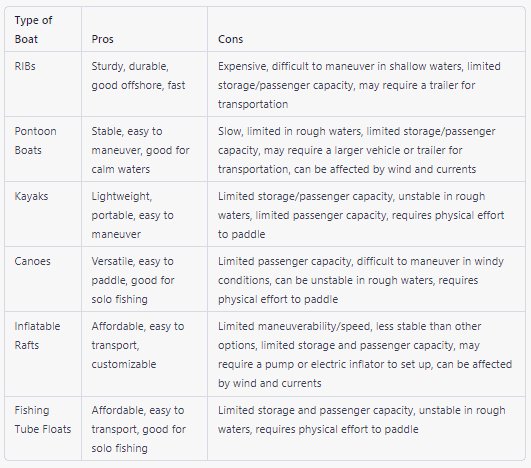
Key Takeaway: Inflatables for fishing come in many forms and sizes to suit any angler, from the rugged stability of Rigid Hull Inflatables (RIBs) to more traditional options like inflatable kayaks or canoes. For those seeking an invigorating excursion on the ocean or a tranquil voyage on calm waters, inflatables provide a great option for any angler.
Factors to Consider When Buying an Inflatable for Fishing
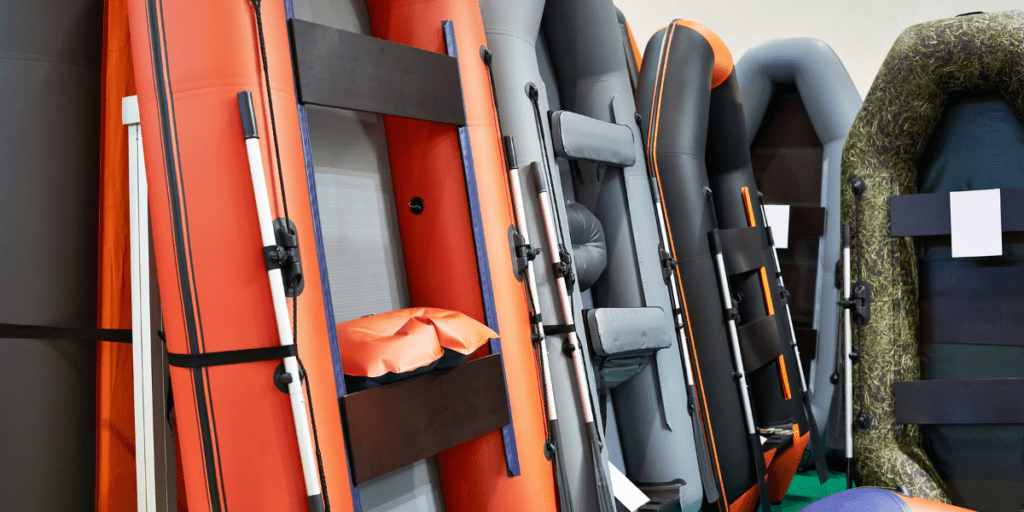
When it comes to selecting the right inflatable to purchase, there are several factors to consider. Size, durability, portability and storage, features and accessories, and your budget are all things you should factor into your decision.

Without adequate consideration, you may end up with a boat that doesn’t fulfill your needs. Take time to figure out what you want out of your inflatable boat and do your research. Buying the right model can lead to a happy and safe fishing experience. Happy fishing!
Accessories for Inflatable Boats
When outfitting an inflatable for fishing, it’s wise to ponder the accessories you’ll need for a pleasant and prosperous experience on the lake or river. The right accessories can make all the difference to your boating experience.
Oars & Paddles
Oars and paddles, both provide a way to propel your boat through any body of water and are a must-have accessory but there are some key differences.

Motors
Paddling can be tiring, especially if you need to move fast or cover a long distance. An electric motor can be a lifesaver.
When it comes to selecting an electric motor for your boat, the options can be overwhelming. Fortunately, with a little bit of research and consideration of your boating needs, you can find the perfect fit.
Electric motors come in varying sizes and types, but by referencing the manufacturer’s specifications, you can ensure you make the best choice for your vessel and the water you’ll be fishing in.
Motors are easy to install and operate, and they can extend your fishing range without exhausting you. However, they are noisy and come with added cost and maintenance requirements.
Don’t let the selection process stress you out – by taking the time to choose wisely, you’ll be able to enjoy smooth boating and more successful catches.
Anchors, Lines, and Ropes
Anchors, lines, and ropes help keep your boat in place when fishing or taking a break from paddling or motoring around.
Anchors should be heavy enough to hold against currents while still being light enough for easy retrieval from the bottom of the lake or river bed.
Lines come in various lengths depending on how far away you want to cast from shore, while rope can be used as tethers between boats when fishing with friends or family members who have their separate inflatable vessels.
Seating Options and Storage Solutions
Seating options and storage solutions add comfort and convenience during long days spent out on the water fishing or exploring new areas of lakes, rivers, oceans, etc.
Inflatable seats that attach directly to the side walls of your inflatable boat provide comfortable seating without sacrificing space inside the hull; these also fold up nicely when not in use so they don’t take up valuable room inside your craft’s limited storage area(s).
Additional Accessories
Other helpful items include dry bags which will keep important items like wallets/keys safe if you decide to take a swim off-board (remember: safety first).
Lastly, fishing rod holders mount onto almost any surface aboard an inflatable boat allowing fishermen (and women) alike to easily store their rods without having them get tangled up with other equipment onboard – it is like “having an extra hand” out there on those busy days.
Essential gear for your inflatable fishing boat is key to making sure you have a secure and pleasant time out on the waves. It is vital to maintain regular upkeep of your inflatable fishing vessel so that it stays in optimal shape for the long run.
Key Takeaway: Outfitting an inflatable boat for fishing with the necessary accessories can ensure a successful day on the water. Oars, paddles, and motors provide power while anchors, lines, ropes, and seats help keep you in place when fishing or taking a break. Storage solutions like dry bags and rod holders make life easier by keeping important items safe as well as preventing rods from getting tangled up with other equipment onboard.
Maintenance Tips for Inflatable Boats
Maintaining your inflatable fishing boat is essential! To make sure you’re always ready to hit the water, take some simple steps to keep your vessel in its best condition.
By following these tips, you can extend the life of your inflatable watercraft so that it’s ready whenever adventure beckons!
Cleaning the Boat Regularly
Keeping your portable fishing boat clean is essential to its longevity and performance. A good cleaning should be done after every use, especially if you’ve been in salt water or mud. This will help prevent any buildup of dirt, debris, and corrosion that can occur over time.
Gently scrub away any surface dirt with mild soap and warm water, then rinse off with fresh water. Use a soft-bristled brush for tougher spots like scuff marks or barnacles on the hull. Rinse off with fresh water and dry thoroughly before storing away for future use.
Checking for Leaks or Damage Regularly
To ensure your inflatable fishing boat stays afloat during all your adventures out on the open waters, it’s important to check regularly for leaks or damage that may have occurred since its last outing.
Inspect both inside and outside of the vessel looking for tears in the fabric, punctures in air chambers, worn seams along zippers or valves, etc., as these are common areas where leaks can form over time due to wear and tear from regular usage.
If there are any signs of leakage present then take immediate action by patching up with an appropriate repair kit designed specifically for inflatables – this way you won’t find yourself stranded out at sea.
Maintaining an inflatable is essential for a safe and enjoyable boating experience. Being aware of the applicable rules and regulations, as well as observing recommended safety practices while on board, is key for a secure and pleasurable boating experience.
Key Takeaway: Maintaining your inflatable fishing boat is paramount; therefore, it should be cleaned after each use and routinely inspected for any signs of leakage or damage that require patching up without delay. Make sure you patch up any potential issues promptly so that you don’t get caught out at sea.
Safety Tips for Using an Inflatable Fishing Boat
Inflatable fishing boats can offer a level of convenience and reliability that make them attractive to many fishermen, but they also bring additional safety concerns with them.
To ensure a safe and enjoyable experience on the water, take special precautions when using an inflatable boat.
Life Jackets
Wearing a life jacket is an absolute must when using an inflatable fishing boat. Not only does it provide essential buoyancy in the event of a capsize, but it also increases visibility for other boaters and makes rescue easier if needed.
It’s important to select a life jacket that fits properly and is rated for your size and weight.
Additionally, always wear the life jacket correctly; this means having all straps fastened securely at all times while on the water.
Local Regulations
It’s equally important to follow local regulations regarding motorized vessels on waterways where you plan to fish with your boat.
Research should be done to discover any particular prerequisites before going out on the waterway, as regulations differ from state to state.
This could include things like noise restrictions or speed limits as well as special permits or licenses that may be required in certain areas.
Emergency Supplies
Finally, it is essential to have emergency supplies on board at all times when using your inflatable fishing boat.
These items can be thought of as “just in case” provisions that will help get you back home safely should something unexpected occur while out on the waterway.
Depending on how far away from shore you plan to go fishing with your inflatable boat, these items may include extra fuel, flashlights with fresh batteries, flares, fire extinguishers, and first aid kits among others.
Wrapping It Up
Inflatable fishing vessels boast the same perks as traditional boats, yet are lightweight and easily transportable.
With proper upkeep and safety measures, you can get many years of use out of your inflatable fishing boat.
Whether you’re looking for a small craft to explore local lakes or something larger for deep-sea expeditions, there are many types and sizes available to suit your needs.
Do some research before making any purchase decisions so that you get the best value out of your new inflatable fishing boat.
FAQs
Are inflatable boats good for fishing?
Inflatable vessels can be a viable selection for fishing, depending on the kind of boat and what style of angling you intend to do. Lightweight and portable, inflatable boats make for an ideal choice of vessel for anglers looking to keep their gear light while fishing in choppy waters.
They also offer stability in choppy waters due to their wide hulls. However, they may not be suitable for more extreme conditions such as deep-sea or big game fishing since they lack power compared with larger motorized vessels.
Ultimately, inflatable boats can provide an enjoyable experience while out on the water but should only be used by experienced fishers familiar with their limitations.
What are the advantages of inflatable vessels?
Inflatable boats offer several advantages over traditional hard-shell vessels. They are light, movable, and effortless to stow away when not in use.
Inflatables also require less maintenance than their counterparts, as they don’t need painting or other treatments to keep them seaworthy.
Additionally, inflatable boats can be used in shallow water due to their low draft depth; this makes them ideal for fishing and exploring remote coves that would otherwise be inaccessible with larger vessels.
Finally, the cost of an inflatable is often much lower than a comparable hard-shell model – making it an attractive option for outdoor enthusiasts on a budget.
What is the lifespan of an inflatable boat?
The longevity of an inflatable vessel is contingent upon several elements, such as the fabric and excellence employed in its fabrication, use frequency, and power, suitable storing approaches, routine upkeep, and attention.
Generally speaking, with good care and maintenance an inflatable boat can last anywhere from 5 to 10 years or more. It is important to check for any signs of wear or damage before each use and take measures to prevent it from developing further.
Regular cleaning after each use will also help prolong the life span significantly.
Can a fishing hook pop an inflatable boat?
No, a fishing hook cannot pop an inflatable boat.
These boats are made of durable materials such as rubber or PVC that can withstand pressure and impact from objects like hooks.
Even if the hook were to penetrate the material, it would not be able to puncture through the entire thickness of the boat’s walls which is typically several inches thick.
Additionally, even if a hole was created by a hook, modern inflatable boats have multiple air chambers so only one chamber needs to remain inflated for buoyancy purposes.
What is the difference between inflatable fishing kayaks & canoes?
The primary difference between inflatable kayaks and canoes is their shape. A kayak has a narrow, streamlined design that allows the user to easily propel themselves through the water using a paddle in one or both hands.
A canoe on the other hand has a wider, flatter hull that makes it more difficult to maneuver but offers more stability in choppy water. Canoes are usually paddled with a single-bladed paddle but can also be propelled by an outboard motor.
In addition, kayaks typically have closed cockpits for the user to sit inside, while canoes typically have open decks that allow the user to stand or kneel down
